April 18th, 2026
I’ve been rewatching Game of Thrones and its prequels and I realized something I hadn’t noticed the first time.
If you’re familiar with the world of Westeros, you already know that nothing here is simple. The good are not always right, and the bad are not always wrong. People do not win because they are just, and they do not lose because they are evil. This is a world of tragedy. Trust is fragile. Betrayal comes suddenly, and when it does, it hits hard. Almost like real life.
What I’ve come to realize is that the most dangerous characters are not the obviously evil ones. And the seemingly kind are not always the most virtuous. The cold-hearted are not necessarily bad, the merciful are not always good, and the just are not always free from ambition. The most dangerous characters are the ones who believe they are right. No matter the cost, no matter what they must endure, or sacrifice, they hold on to that belief. And that belief is what drives them to do what they do.
In this writing, I will look at three characters that have fascinated me, whose actions leave us questioning their true nature. First, I will look at Stannis Baratheon, who shows how duty can shape, and distort, morality. Second, Daenerys Targaryen, whose belief leads to devastating consequences; and in the end I will look at Baelor Targaryen, who reminds us that being honorable does not always mean being responsible. Please be note that my argument is based on the show, not the book.
Stannis Baratheon
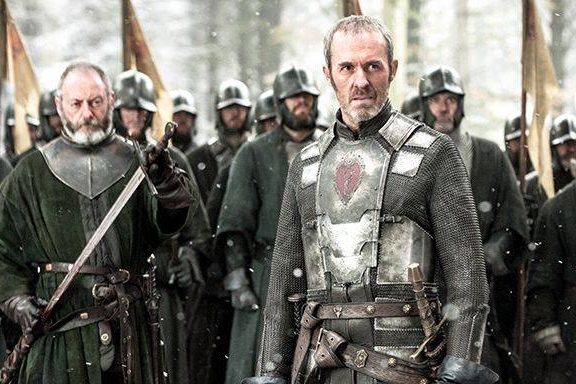
It never occurred to me before how appealing Stannis Baratheon actually is. For most people, he’s just a side dish, not the main course, another “bad guy” to fill the story. I didn’t see it that way the first time I watched the show. But now, I do.
When everyone started claiming the Iron Throne after Robert Baratheon’s death, and we know that Joffrey, Myrcella, and Tommen are products of incest, it becomes clear that the rightful heir should have been Stannis. As Robert’s younger brother (but older than Renly Baratheon), the line of succession points to him. This is exactly what Eddard Stark realized.
But Stannis is not like the others. He doesn’t play politics well. He doesn’t charm people, doesn’t build alliances the way others do. He is rigid, not very social, and entirely driven by duty. He doesn’t want to play the game, but because the throne is his by right, he believes he must. That’s what makes him different. While others gather support, Stannis relies on what should have been his, law and duty, even to the point of killing his own brother with blood magic. To him, this is not cruelty. It is necessity.
A lot of people say he is too influenced by Lady Melisandre. And maybe that’s true. But from his perspective, her power is not just belief, it’s proven. He has seen what magic with king’s blood can do. And in a life where he lacks warmth, support, or even affection, Melisandre brings something else: certainty. She gives him answers when everything else is uncertain. And slowly, that certainty bends him.
And yet, he is still a man of justice. He listens to Davos Seaworth. He acts on the threat in the North. He marches his army, defeats Mance Rayder, and even tries to ally with Jon Snow. He earns the respect of the men at Castle Black. And he does not turn a blind eye, even to those he trusts. He punishes Davos when he fails. To Stannis, everyone has a duty. Even his daughter.
And that’s where it breaks. Even after watching until Season 5, I still find myself rooting for him, even after what happened to Shireen Baratheon. Because from his perspective, this wasn’t madness. It was something that had worked before. In a desperate moment, with everything collapsing, his army, his cause, the weather, his men leaving him, he chose what he believed was necessary.
He hesitated. We can see that. But he still did it.
And I think that’s the turning point. Before Shireen, Stannis was a man doing what is right. After that, he became a man who believes what he is doing is right, no matter the cost. And if that sacrifice had worked, if it had brought him victory, I don’t think it would have saved him. I think he would never forgive himself. That would have been the real tragedy of his character.
Because the truth is, Stannis did not make that choice because he had no options. He made it because he could not accept the other options. Retreating to Castle Black, the attack on the Boltons, risking his claim, it all meant weakness to him. And in his mind, it became simple: If not now, then when? If he didn’t act, he risked losing everything. And yet… if he had chosen to retreat, lost his claim, but saved Shireen, would I still support him? Yes.
Because in the end, people are not remembered for always making the right choices. They are remembered for their story. And Stannis’ story is one of duty taken to its limit, so far that it breaks the man himself. As he once said: “If a man knows what he is and remains true to himself, the choice is no choice at all.”
Personally, the show did him bad. He is pictured as, seems, unloving father, when in the book he is quite the opposite. He is very strategic and a proven commander, but in the show we only see him as not that, with only defeat after defeat. They should give him more story though.
Daenerys Targaryen
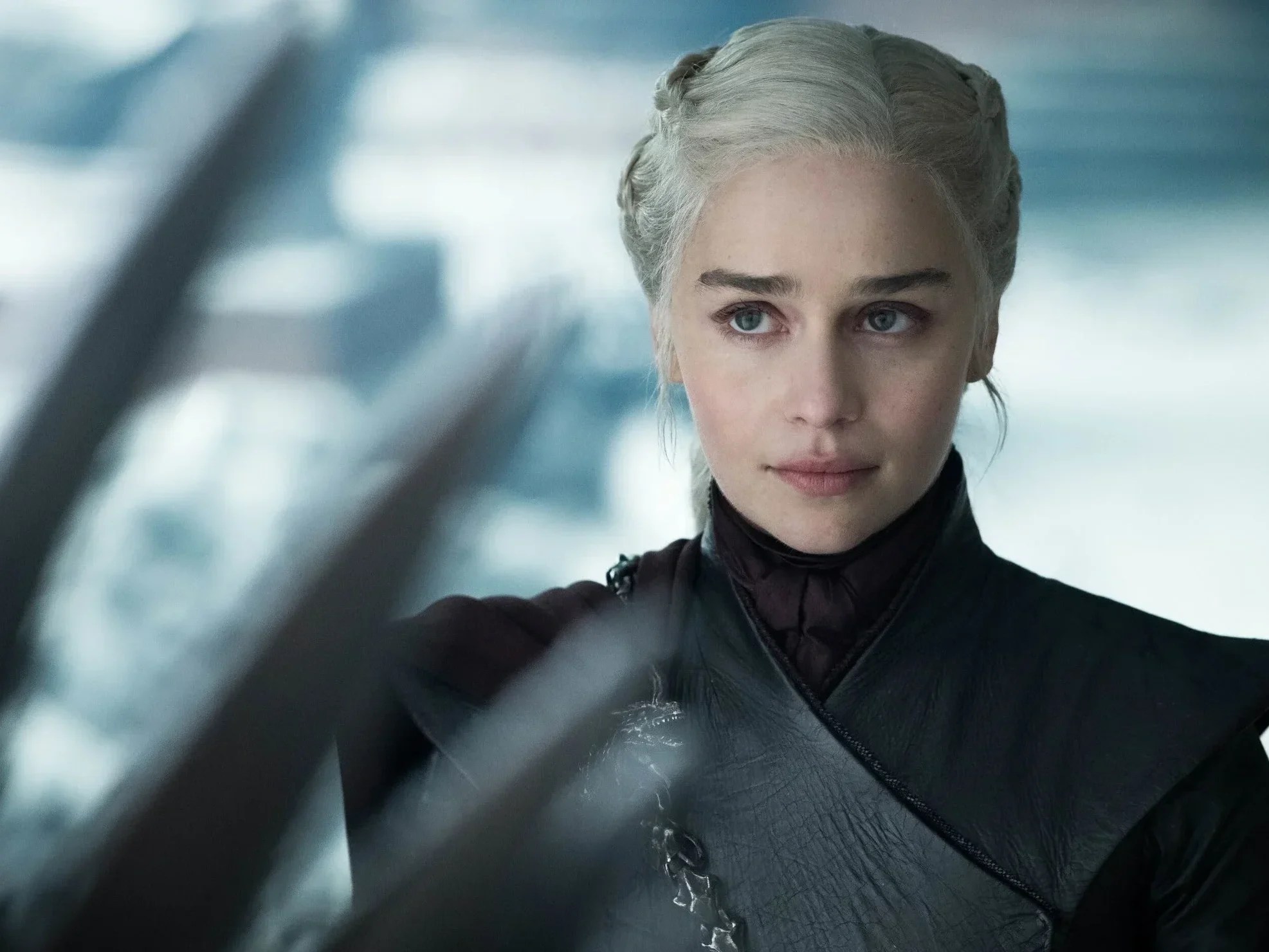
And that question stayed with me. Do we support someone because they are right… or because they believe they are right? Because if that’s the case, then Stannis is not the only one.
And somehow, that same question led me to Daenerys Targaryen. I know most people who have invested their time watching Game of Thrones from Season 1 were probably disappointed with the last two seasons. We built our image of Daenerys Targaryen piece by piece, from an innocent girl, traded like a broodmare, to someone who eventually became one of the central figures in the show. We were made to believe she was the true heir to the Iron Throne, even hoping she would form alliances and perhaps rule alongside Jon Snow, The King of the North.
Honestly, Daenerys is one of the characters I like the least. And yet, she is the character many people expected to become a good ruler in Westeros. She had everything from three dragons, a clearer lineage line, and a powerful army of Unsullied and Dothraki. What more could anyone hope for? But in the end, she became, for many people, “crazy.” I don’t fully agree with that. I don’t like her, but I understand how she got there.
I know George R. R. Martin has not finished the books yet, so the showrunners had to decide how to end the story. But even so, Daenerys’ transformation didn’t come from nowhere.
She always believed she was meant to rule the Iron Throne. From the moment her dragon eggs hatched, her journey seemed to confirm that belief. Every victory afterward only strengthened her claim. The problem began when she set foot in Westeros. She brought her success from across the Narrow Sea, her armies, her dragons, but the land she was meant to rule felt alien to her. The noble houses did not support her, still remembering what happened during the last Targaryen rule. They just won’t bend the knee. After the War of the Five Kings, many probably questioned whether another ruler in King’s Landing would change anything at all. The North, especially, did not trust the South. To them, why should someone from King’s Landing rule over them?
When the time seemed right for her to claim the throne, Jon Snow came asking for her help to defeat the Night King. She was reluctant at first, but eventually agreed, believing that helping the North would earn their loyalty. But it didn’t. Instead, the North favored Jon for his leadership, his victories, and even his strange story of death and resurrection. He had already been named King in the North, and eventually, we learn his true identity.
At the same time, Daenerys kept losing everything. One dragon, then another, her trusted advisor, her closest friend and trust in her advisors. Even Tyrion Lannister, her Hand, failed her again and again. Layer by layer, the pressure built. So, when she finally turned to King’s Landing, it was no longer just about ruling. It was about control, avenge what she had lost, and proving that she was still right. The time was there, why should she wait? Cersei would not just give away the Iron Throne. If not now, then when? Should she wait more and, in the process, losing her claim? That’s why I understand why she burned the city. She didn’t suddenly become mad. She became someone who believed she was right, that the throne is her by right, no matter the cost.
The irony is, her father wanted to burn King’s Landing and was killed for it. And yet, in the end, it was his daughter who made it happen. So… Westeros.
Baelor Targaryen
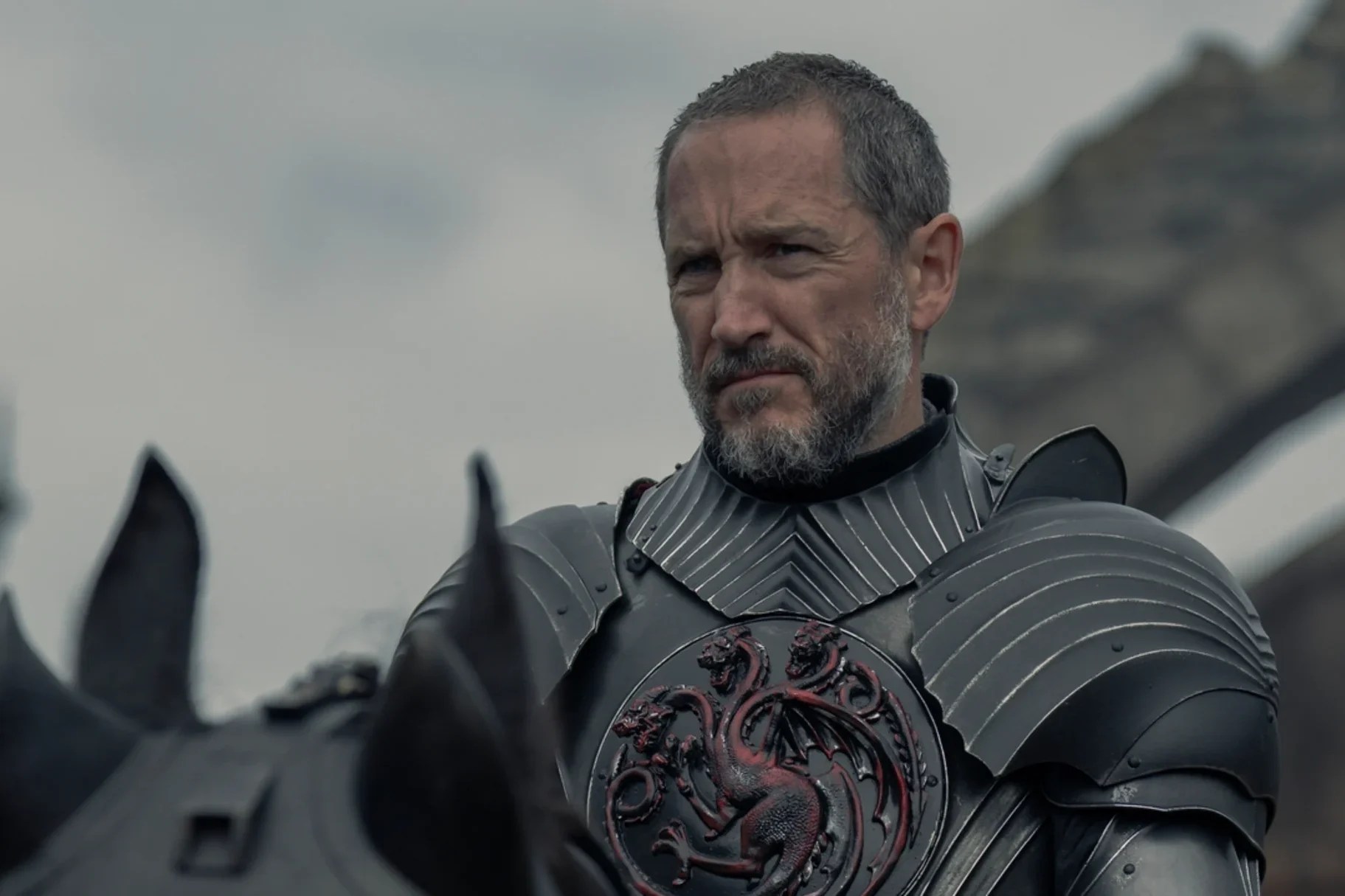
And it’s not only those who seek power who face this dilemma. Sometimes, even those who try to do the right thing, truly right, can still make the wrong decision. And this is the case with Baelor Targaryen. Was he right to take the side of Duncan the Tall during the Trial of Seven? Personally, he was.
This comes from other Game of Thrones prequel, A Knight of the Seven Kingdoms. In the story, Ser Duncan the Tall defends a puppeteer whose fingers were broken by Aerion Targaryen, Baelor Targaryen’s nephew. Her “crime” was performing a stage act where a knight defeats a dragon. Aerion saw this as an insult to House Targaryen and punished her brutally. Before this, Duncan had already taken a liking to her. So when he heard what happened, he stepped in and struck the prince.
Egg (Aegon Targaryen) who witnessed everything, revealed his identity to protect Duncan. The matter was then brought before the lords and resolved through a Trial of Seven. Duncan would have to find six knights to stand with him against Aerion’s side.
Aerion, because of his status, easily gathered his champions. Duncan, on the other hand, struggled. He was young, unknown, and asking men to risk their lives for him. A few stepped forward, Lyonel Baratheon among them, but he was still one man short.
And then, at the last moment, Baelor entered the field and declared that he would fight for Duncan. or Game of Thrones fans, it feels almost like a return to the world of Westeros. It shows Baelor as honorable, wise, and truly knightly, the kind of man Westeros actually needs. Baelor chose Duncan not because of blood, but because he believed Duncan was right. That he had done what every knight is supposed to do, protect the innocent.
But politically, he was wrong. Baelor was not just a knight. He was the heir to the Iron Throne and the Hand of the King. Taking a side in that situation was dangerous, not only for himself, but for the stability of the realm. By entering the trial, he risked his life. He risked creating conflict within his own family. He could have killed, or been killed by, his own kin. It could have divided loyalties among the great houses that supported the crown.
Knowing the kind of man Aerion Targaryen was, Baelor may have seen the trial as more than just a question of honor. It could also have been a rare opportunity, to eliminate a potential threat, or at least to assert authority over him. So, yes, honor is a virtue. It is right. But sometimes, being honorable is not the same as being responsible.
In the end, what connects Stannis Baratheon, Daenerys Targaryen, and Baelor Targaryen is not power, or ambition, or even morality. It is belief.
From the start, Stannis followed his duty. He fought for the Iron Throne because he believed it was his by right. Even when he marched North to help the realm, it was not out of kindness, it was because he believed it was his responsibility, his destiny. Same with Daenerys followed her destiny. As the last dragon, she believed the Iron Throne belonged to her, and that belief carried her across continents, through war, and ultimately, to destruction. And then there is Baelor, who believed that honor must be upheld above all else. That being just is not a choice, but a duty every knight must carry, no matter the cost.
And all three, in their own way, were right. But being right… was never enough. Because in Westeros, and maybe in life, the real danger does not come from those who are clearly wrong. It comes from those who believe they cannot be wrong.

